BAC water (short for
bacteriostatic water) is
sterile water for injection that contains 0.9% benzyl alcohol, which acts as a preservative to help inhibit bacterial growth. It is commonly used to
reconstitute (mix) certain medications or peptides that come as a lyophilized (freeze-dried) powder.
Key points:
- Purpose: Used to dissolve medications or peptides before administration when specified by the manufacturer or prescribing clinician.
- Preservative: The 0.9% benzyl alcohol allows the vial to be used for multiple withdrawals when handled properly.
- Storage: Follow the manufacturer’s instructions. Once opened, bacteriostatic water is generally discarded after 28 days to reduce contamination risk.
- Not interchangeable: Bacteriostatic water is different from sterile water for injection, which contains no preservative and is typically intended for single-use.
- Important precautions: Bacteriostatic water containing benzyl alcohol should not be used in newborns or certain other patients because benzyl alcohol can be harmful in those populations.
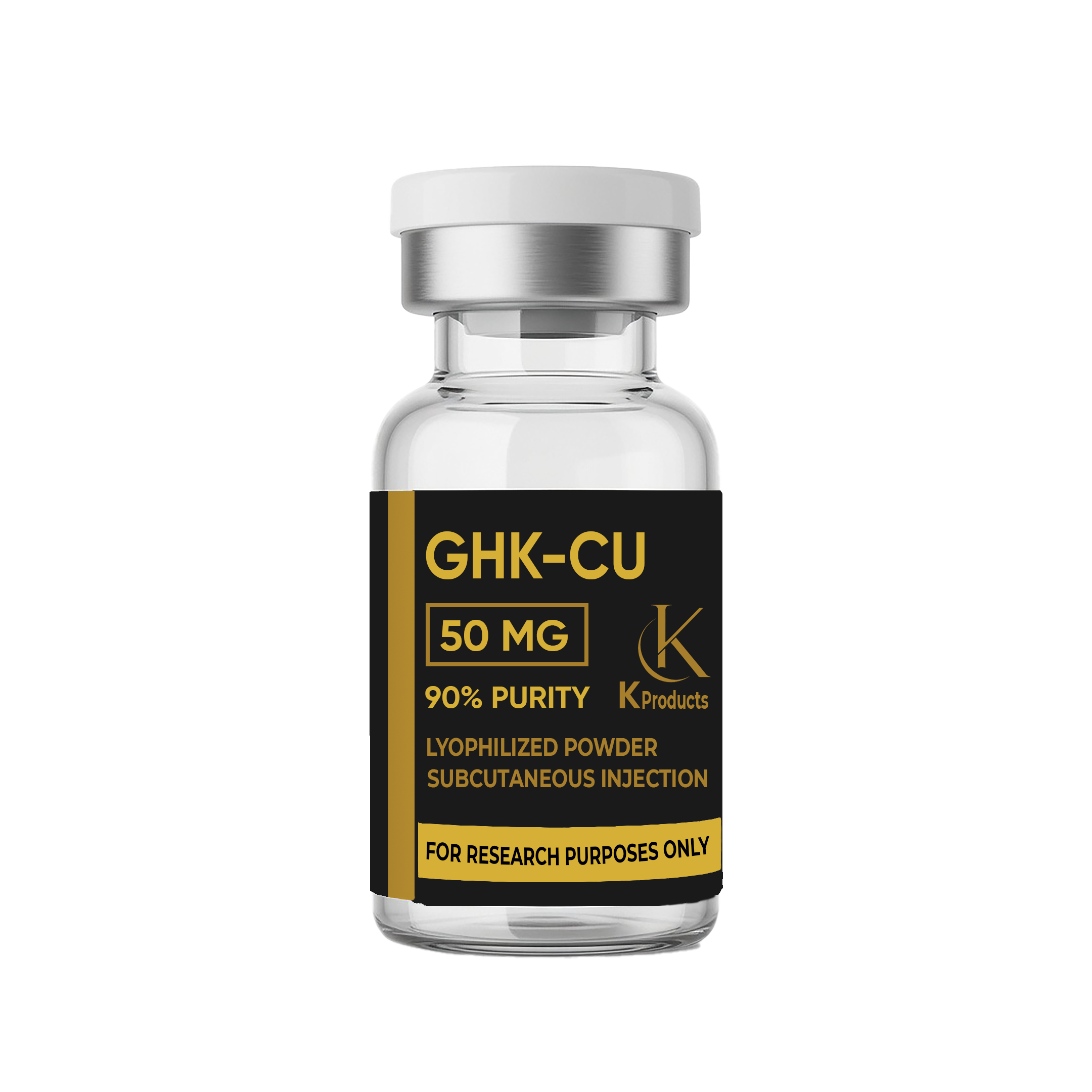
If you’re asking about BAC water in the context of peptides such as BPC-157, TB-500, or GHK-Cu, it’s often used to reconstitute peptide powders
only if the product’s instructions specify it. The appropriate diluent, mixing method, and storage depend on the specific product and manufacturer. If you have a particular peptide or vial size in mind, I can explain the general labeling and handling guidance.